
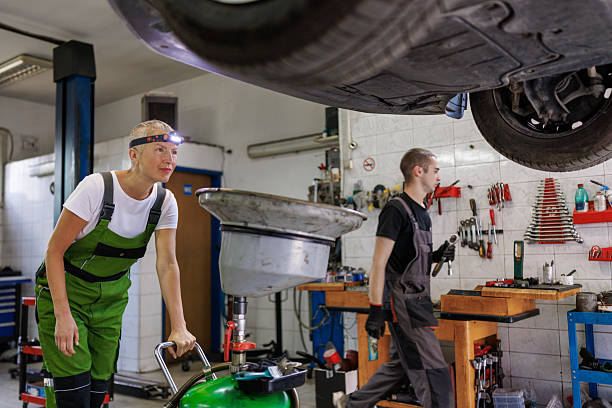
Built With Purpose: The Parts That Keep Vehicles Reliable
Why Automotive Components Define Vehicle Performance
Every vehicle depends on structure and balance. Movement feels simple to the driver, yet complex work happens underneath. Automotive components support this balance by handling force, heat, and motion every second.
Each component has a clear role. Some parts carry weight. Others manage speed or direction. Many parts work without notice until one fails. This quiet function defines good design.
Engineers focus on load paths. They study how force travels through metal and rubber. This study helps parts last longer under stress. Fit and finish also matter. A well-fitted part reduces vibration and wear.
Strong performance begins with disciplined design.
Modern vehicles also demand efficiency. Parts now aim to reduce energy loss. Bearings roll smoother. Seals reduce leaks. These small gains add up over time.
Examples make this clear. A low-friction wheel hub improves fuel use. A precise fuel injector supports clean combustion. Each improvement supports the whole system.
Vehicle Systems Formed by Automotive Components
Vehicles rely on systems that group related parts.
- Power, control, safety, and support systems guide daily operation.
The power system creates motion. Engines or motors generate force. Transmissions manage speed and torque. These parts must stay aligned under load.
Control systems guide direction and response. Steering racks, linkages, and sensors work together. Accuracy here affects handling and driver confidence.
Safety systems reduce risk. Brake assemblies, restraint systems, and stability controls react fast. Their parts must respond without delay.
Support systems improve comfort. Mounts, bushings, and insulation limit noise and vibration.
Example: In rough roads, suspension components absorb impact and protect the body structure.
Good systems protect both machine and passenger.
How Automotive Components Quality Affects Longevity
Quality shapes service life. Strong materials resist fatigue. Accurate machining reduces friction.
Poor-quality parts often wear unevenly. This wear can spread stress to nearby parts. Over time, one weak component can damage an entire system.
Pro Tip: Use parts that meet original specifications. Proper fit reduces strain and noise.
Examples highlight this point. A high-grade timing chain lasts longer and protects valves. A weak chain risks engine damage.
Maintenance also becomes easier with quality parts. Predictable wear patterns help plan service.
Quality parts reduce surprises on the road.
Design Trends Influencing Modern Parts
Design trends focus on weight reduction. Lighter parts improve efficiency and handling.
Electronics now guide many systems. Sensors replace mechanical links. This change improves response and control.
Materials continue to evolve. High-strength alloys and composites replace heavier designs. These materials balance strength and weight.
Service access also improves. Modular parts reduce repair time and waste.
Conclusion
Vehicles succeed through careful design and reliable parts. Each component supports motion, safety, and comfort.
As technology advances, parts will grow lighter and smarter. The purpose remains clear. Deliver steady performance mile after mile.